

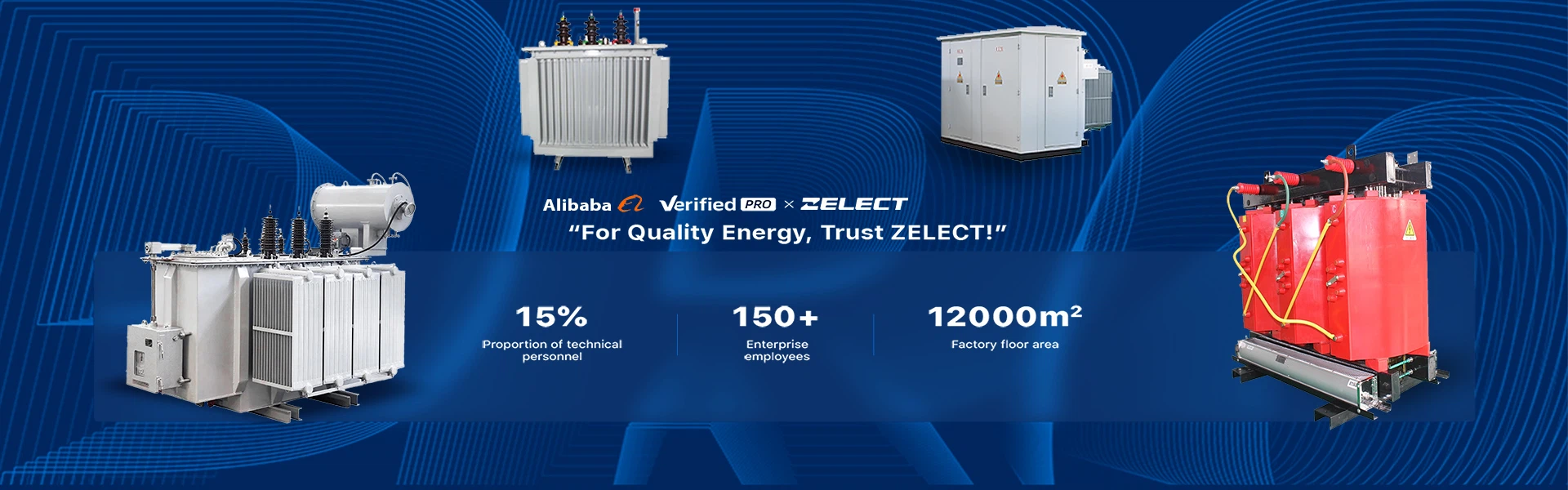
Power Transformer Design
A power transformer is a crucial component in electrical systems that convert electricity from low voltage to high voltage or vice versa. It plays a vital role in the transmission and distribution of electrical energy. Therefore, it is imperative to design and construct power transformers with maximum efficiency and high reliability.
The design process of power transformers involves analyzing several parameters, including voltage levels, power ratings, and physical dimensions. The primary considerations include the maximum and minimum voltage levels of the primary and secondary windings, the power rating of the transformer, and the size and shape of the core and coils. These factors affect the transformer's overall performance and efficiency, as well as its ability to handle the load current.
There are several types of power transformers, including single-phase and three-phase transformers. The selection of the transformer type depends on the application, the input and output voltages, and the power required. Additionally, the choice of the transformer material is also a critical factor in the design process. Designers must choose materials suitable for specific applications, and this includes the core, the winding wire, and the insulation.
The transformer core is an essential part of the transformer, responsible for transferring energy between the primary and secondary windings. The material used for the core should have low hysteresis loss and low eddy current loss, and the core should have a high magnetic permeability. The winding wire should have good electrical conductivity, low resistivity, and excellent thermal stability to minimize the power loss. The insulation materials used should reduce the risk of electrical breakdown and improve the transformer's overall lifespan.
The efficiency of the transformer is critical in the design process. The efficiency level depends on the total losses in the transformer. The total losses include core loss, copper loss (resistive loss), and stray loss. Designers optimize the efficiency level by reducing the total losses to the lowest possible level and increasing the transformer's power density.
In conclusion, the design process of power transformers is a complex process that requires careful consideration of several factors. The design process determines the transformer's overall efficiency, reliability, and power density. With advances in technology and materials science, designers can now create transformers that are more efficient and reliable than ever before, ensuring a stable and reliable electrical system.


